

The story of "Steadfast in Spirit"
Our lives have changed since October 7th. Many have returned or are returning to their daily routines after months of being in combat zones or under extreme stress, and this sudden transition can create a deep sense of alienation. We return to a familiar reality, but we do not experience ourselves as we did before, the feeling of connection to life and the ability to do what we did before becomes a challenging and sometimes impossible task. Many are experiencing post-traumatic symptoms, such as difficulty falling asleep, difficulty concentrating, nervousness, hypervigilance, rapid heartbeat, sensitivity to noise, and more. These symptoms can occur with varying frequency and intensity, and it is very difficult to identify, understand, and deal with them.
Traumatic events that are not processed affect the nervous system and can manifest in daily difficulties that make it difficult to function. One of the effects of exposure to traumatic events is that our nervous system remains in a state of "prolonged high alert," not only during actual threats. Constant and excessive stress in the nervous system exhausts the body and mind and affects many aspects of functioning.
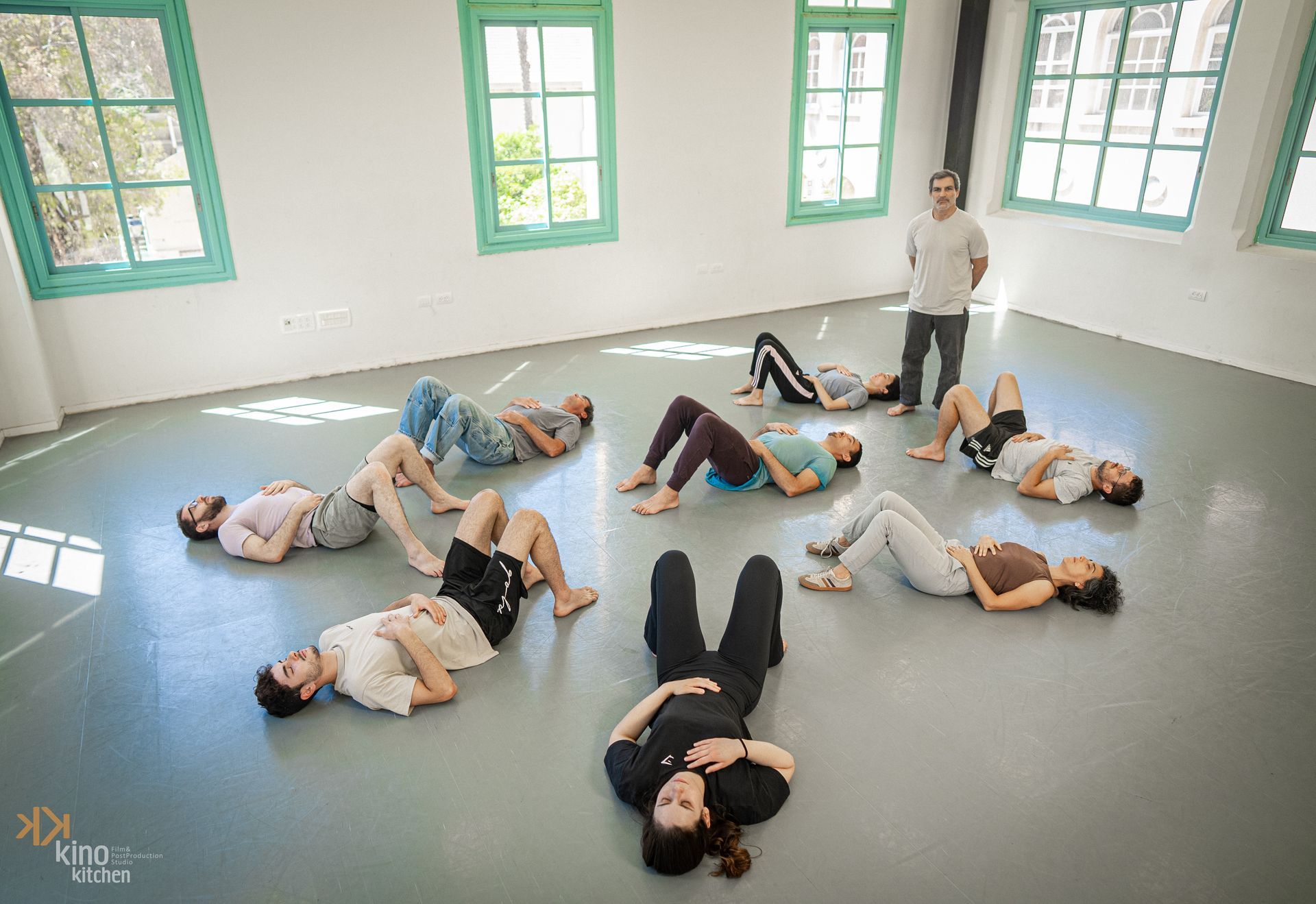
The "Steadfast in Spirit" program has been in existence for several years and operates as an intervention program in schools to help teach regulation skills. Eran and Aya's inner calling to assist and support the many communities in the circles of trauma led them to expand the program and adapt it to work with post-traumatic symptoms and stress situations.
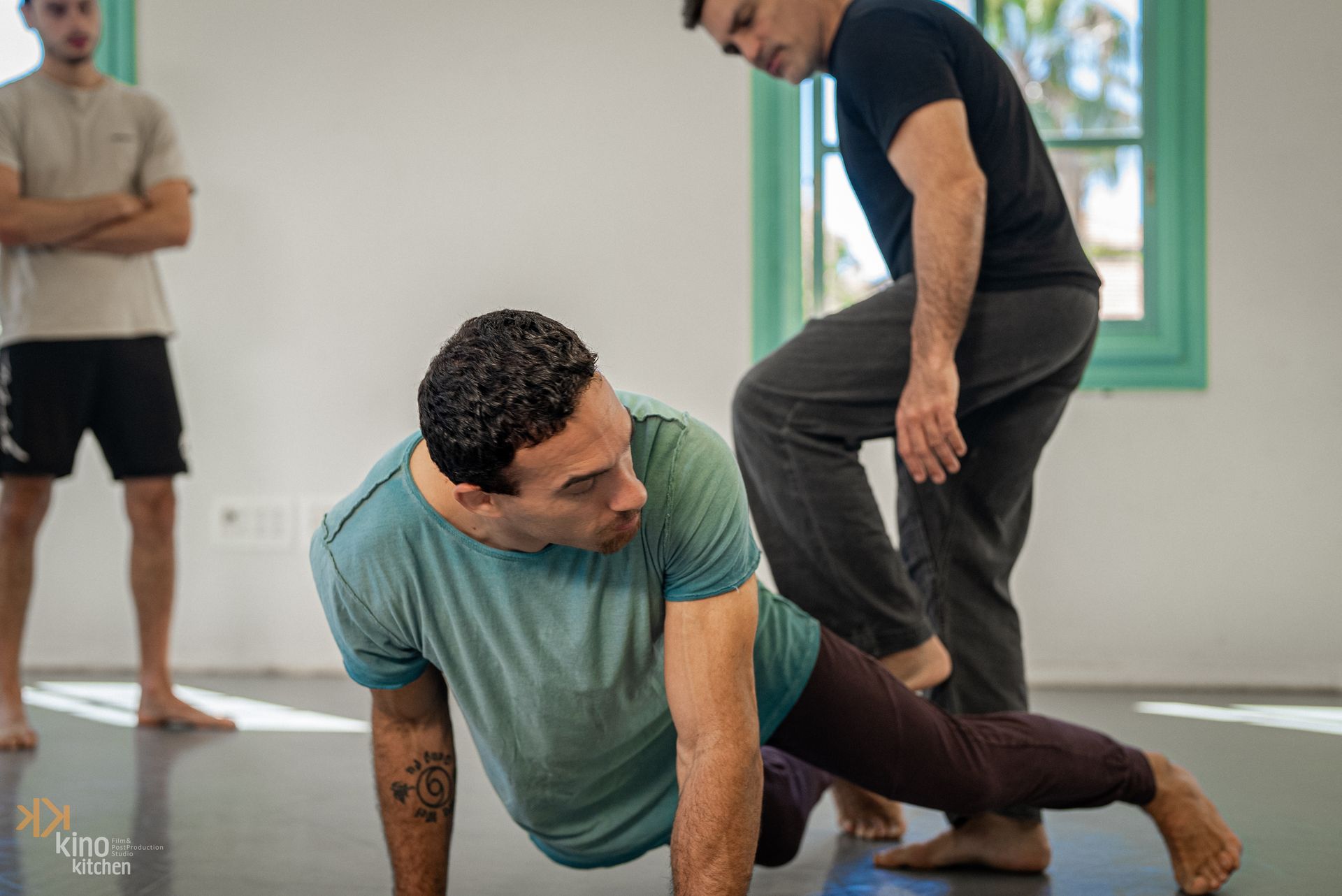
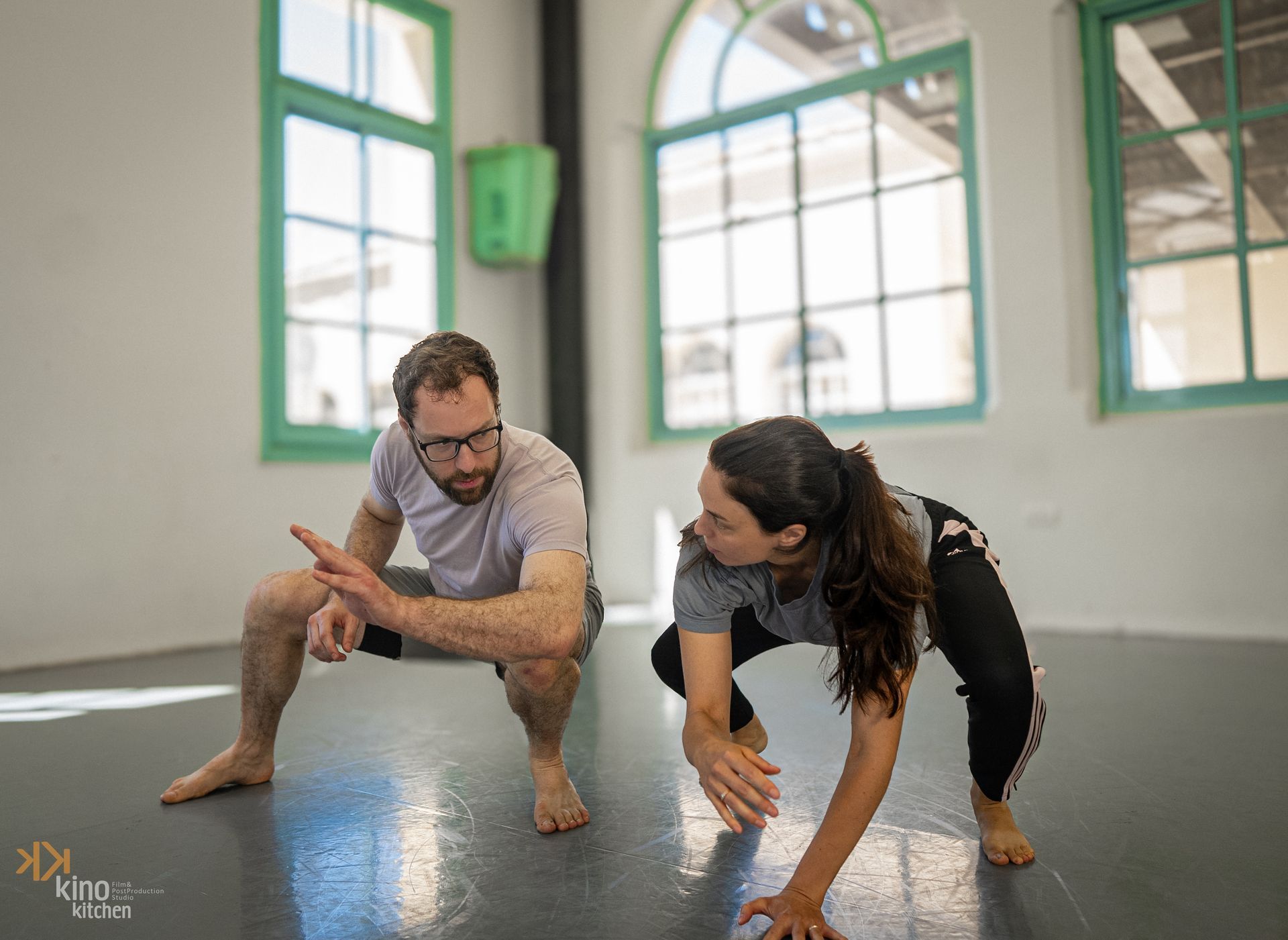
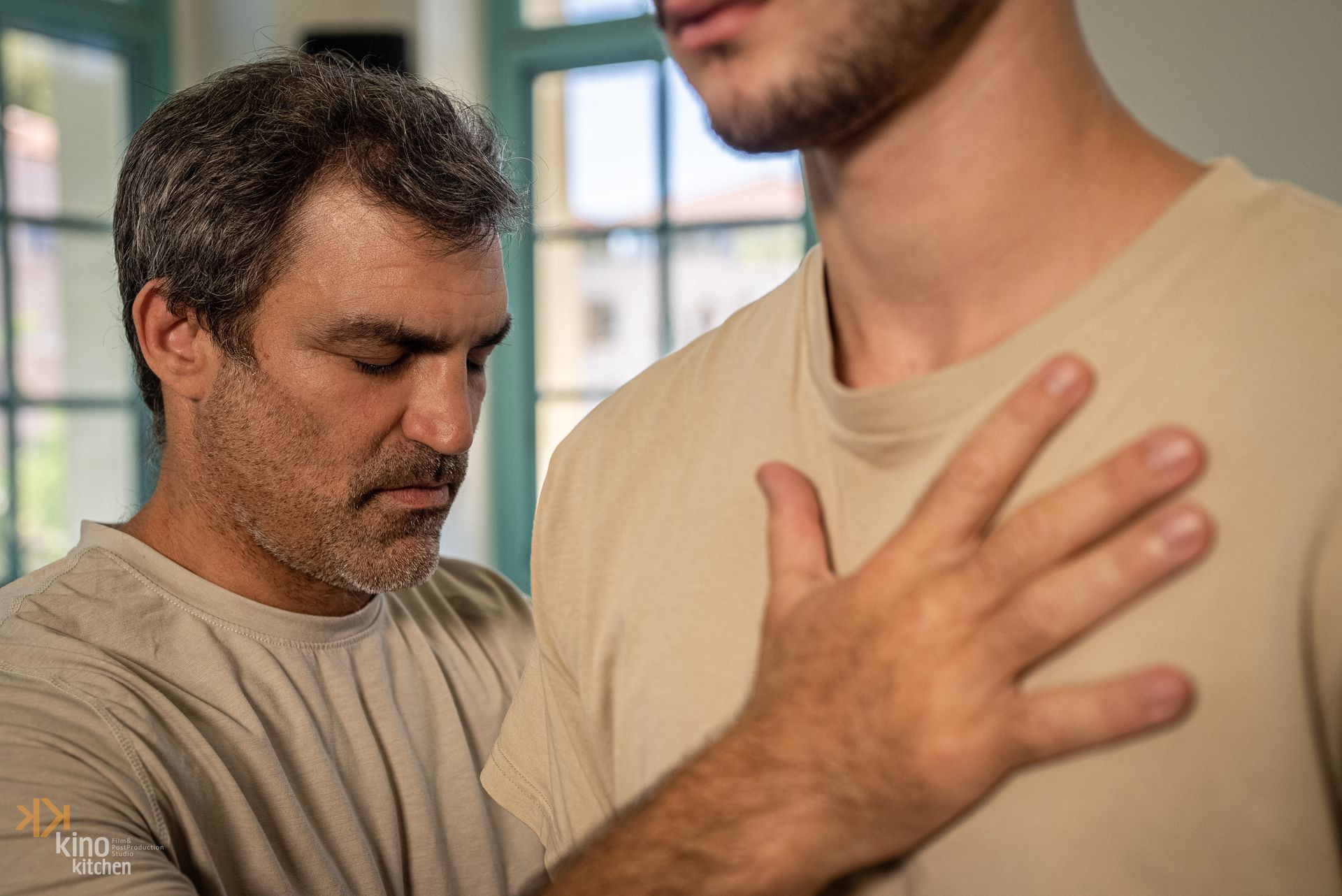
The main emphasis of the "Steadfast in Spirit" program is a training and practice program that allows for a body-based learning and coping experience. The integration between the therapeutic field and skills-based training and physical regulation is based on in-depth research, which has shown that skills and regulation constitute the foundation for a sense of resilience.
The program provides a response to three main populations:
- Dealing with symptoms of anxiety, ongoing stress, and post-traumatic stress.
- Professionals working under continuous pressure (care workers/rescue forces/police)
- Military personnel, veterans and their spouses
The research background of the "Steadfast in Spirit" program – scientific based.
The "Steadfast in Spirit" program is based on recent research from the fields of neuropsychology, brain research, and movement arts, which demonstrate how physical and mental practice directly affects the functioning of the nervous system, the ability to regulate emotions, and improving mental and physiological resilience. Research in these fields shows that a combination of various techniques from the worlds of body and mind, such as controlled breathing, conscious movement, and a supportive social environment, may strengthen processes of brain flexibility, emotional regulation, and better coping with symptoms of stress and trauma.
The "Steadfast in Spirit" program is based on various theoretical approaches, such as Stephen Forges' poly-vagal theory that provides physical skills and regulation (2011), Van der Kolk's work in the field of trauma and the integration of physical work for its processing (2014), Davidson and McEwan's (2012) research in the field of neuroscience, and the contribution of group practice as reflected in the studies of Schor (2003).
The "Steadfast in Spirit" program combines these research insights with many years of experience in the field of martial arts, work with security personnel, and movement-based therapy. Thus, the program provides participants with practical tools and a profound change in self-regulation abilities, improved emotional resilience, and increased neurological flexibility.
Read more – articles in the field
- Van der Kolk, BA (2014). The Body Keeps the Score - How Trauma Burns into the Body and Nervous System.
- Porges, SW (2011). The Polyvagal Theory - Neural Regulation Through Social Connections.
- Levine, PA (2010). In an Unspoken Voice - Releasing Trauma Through Body and Movement.
- Miyamoto Musashi (1645). The Book of Five Rings - Strategies for self-regulation and control.
- Craig, AD (2009). Interoception and Emotional Regulation - The importance of body awareness in emotional regulation.
- Diamond & Lee (2011). Motor Coordination and Emotional Resilience - The effect of coordination on emotional regulation.